ELEVATE YOUR DRIVING CAREER WITH A CAT C (Class 2) LICENSE
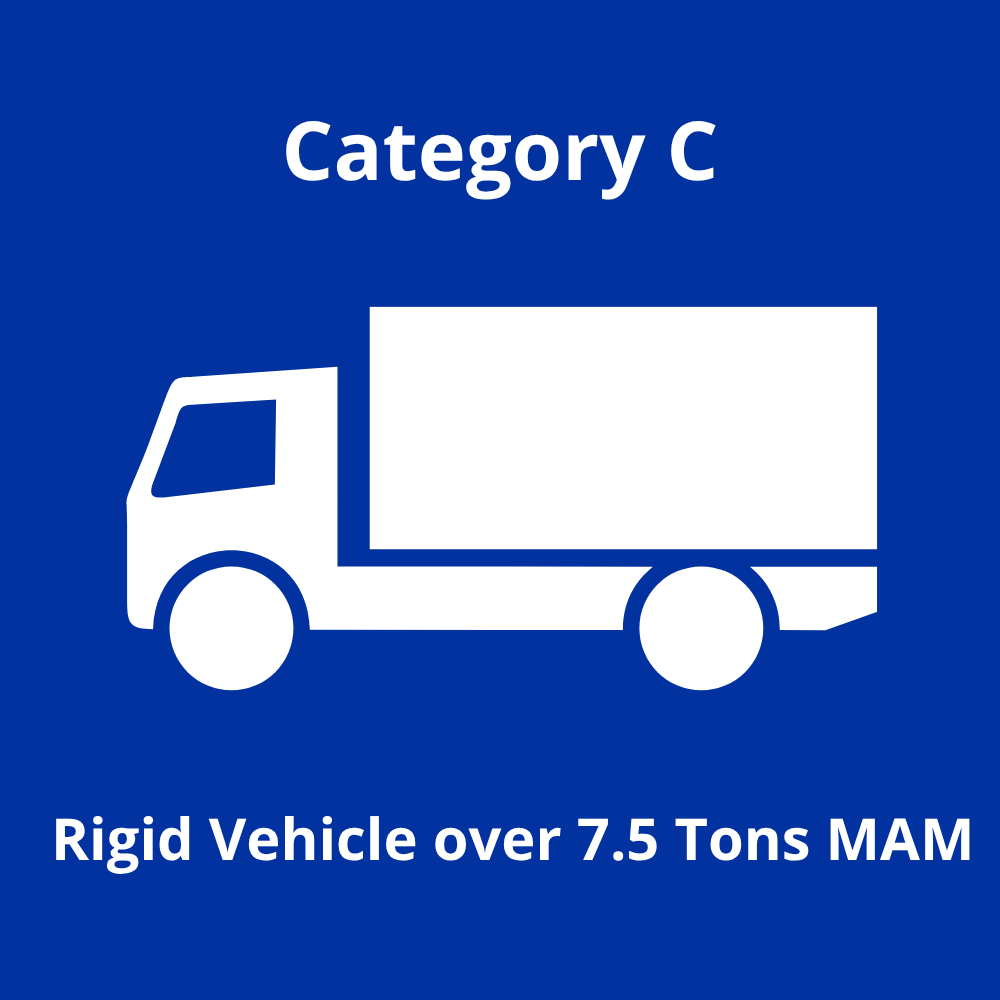
Ready to command larger vehicles and unlock greater earning potential? A CAT C (or Class 2) driving license allows you to operate vehicles weighing over 3,500kg, with the option to tow a trailer up to 750kg Maximum Authorised Mass (MAM). This qualification is your gateway to the world of heavy goods transport and a robust career in logistics.
Typical CAT C Driving Roles:
- HGV Delivery Driver: Essential for supermarkets, warehouses, and major retail chains.
- Construction Driver: Delivering vital building materials or operating tipper trucks.
- Bin Lorry Driver: A crucial role in local authority and private waste management.
- Refrigerated Transport: Specialising in temperature-controlled delivery of goods.
- Events & Exhibitions Transport: Moving equipment and setups for large-scale events.
- Tanker Driver: (Requires additional qualifications) Transporting liquids or gases.
What Does a CAT C Driver Do?
Your daily responsibilities as a CAT C driver are dynamic and varied:
- Drive Large, Rigid Vehicles: Safely navigate substantial trucks for deliveries and collections.
- Manage Routes: Handle long-distance journeys or complex multi-drop schedules.
- Vehicle Checks: Perform thorough safety inspections and basic maintenance.
- Tachograph Use: Accurately record your driving hours to comply with legal regulations.
- Load Management: Oversee loading and unloading, often using equipment like pallet jacks or forklifts.
- Customer & Paperwork Interaction: Complete necessary delivery documents and communicate with clients.
Potential Challenges:
- Physically Demanding: Especially with multi-drop deliveries, the work can be tiring.
- Long Hours: Be prepared for early mornings, late nights, or extended shifts.
- Stressful Conditions: Navigating heavy traffic or adverse weather can be challenging.
- Can Be Monotonous: Some drivers may find consistent routes less varied over time.
Why Get Your CAT C License?
- High Demand: Qualified CAT C drivers are consistently sought after across various industries.
- Better Earning Potential: Enjoy a significantly higher salary compared to CAT C1 roles.
- Flexible Work Options: Find opportunities for regular shifts, part-time, or flexible hours to suit your lifestyle.
- Clear Career Growth: Easily progress to a CAT C+E license, allowing you to drive articulated lorries and further expand your opportunities.
- Independent & Routine Work: Ideal for those who enjoy autonomy on the road and a predictable work routine.
Salary Expectations (UK Estimate – 2025):
- Starting Salary: £30,000 – £34,000 per year
- Experienced Drivers: £35,000 – £42,000+ per year
- High-Demand/Night Shifts: Some specialized roles can offer £45,000+ per year.
The Cat-C Licence Process: A Step-by-Step Guide
Here’s what you need to know to get your Cat-C licence:
1. Provisional Cat-C Licence: Your First Step
Before you can get behind the wheel for training or take your assessment, you’ll need a provisional Cat-C licence.
- Medical Examination Required: To obtain your provisional licence, you must undergo a medical examination to ensure you meet the required health standards.
- Need Assistance? If you need any help understanding the forms or the application process, our friendly team is here to guide you. Just let us know!
2. Medical Examination: Getting Started
You’ll need a specific medical examination form as part of your provisional licence application.
- Where to Get the Form: You can pick up a form at our office, at a large post office, or download it online.
- Booking Your Medical:
- Full Package Option: We can conveniently book your medical appointment for you as part of our full training package.
- Contact Your GP: Alternatively, you can schedule your medical examination directly with your own General Practitioner (GP).
3. Initial Assessment: Understanding Your Needs
This assessment is highly recommended, especially if you’re unsure about the specific type of lorry you want to drive or if you’d like a personalised recommendation for your training hours.
- Benefits: Helps determine the most suitable training path for you.
- Fee: Contact us for a price.
4. Theory Test (Module 1): Knowledge is Key
You must successfully pass the Module 1 theory test before we can book your practical driving test.
- Preparation Options:
- One-Day Course: We offer an intensive one-day course to help you prepare effectively. Please contact us for details.
- Online Study: We can also provide access to relevant online study materials to suit your learning style.
- Fee: Payable directly to the DVSA – Driver and Vehicle Standards Agency.
5. Case Studies (Module 2): Applying Your Knowledge
This module assesses your understanding of real-life scenarios and is a prerequisite for the practical CPC test in most cases.
- Important Note: In some specific situations, this module might not be required for your LGV licence. Please call us to clarify your individual requirements.
- Preparation: We offer suitable online study resources to help you prepare for this module.
- Fee: Contact us for a quote.
6. Practical Driving Tests (Module 3): Putting Skills into Practice
We aim to make your practical test experience as smooth as possible.
- Convenient Scheduling: We typically arrange your practical test for the final day of your training.
- Familiar Vehicle: You’ll take your test in the same vehicle you’ve been training in, ensuring familiarity and comfort.
- Fee: Contact us for a price.
7. Driver CPC Practical Test (Module 4): Demonstrating Professional Competence
This is a practical test focused on the operational aspects of a commercial vehicle, not the driving itself.
- Important Note: Depending on your specific licence category and intended use, you might not need to take this test. Please contact us for personalized advice.
- Fee: Contact us for a quote.